



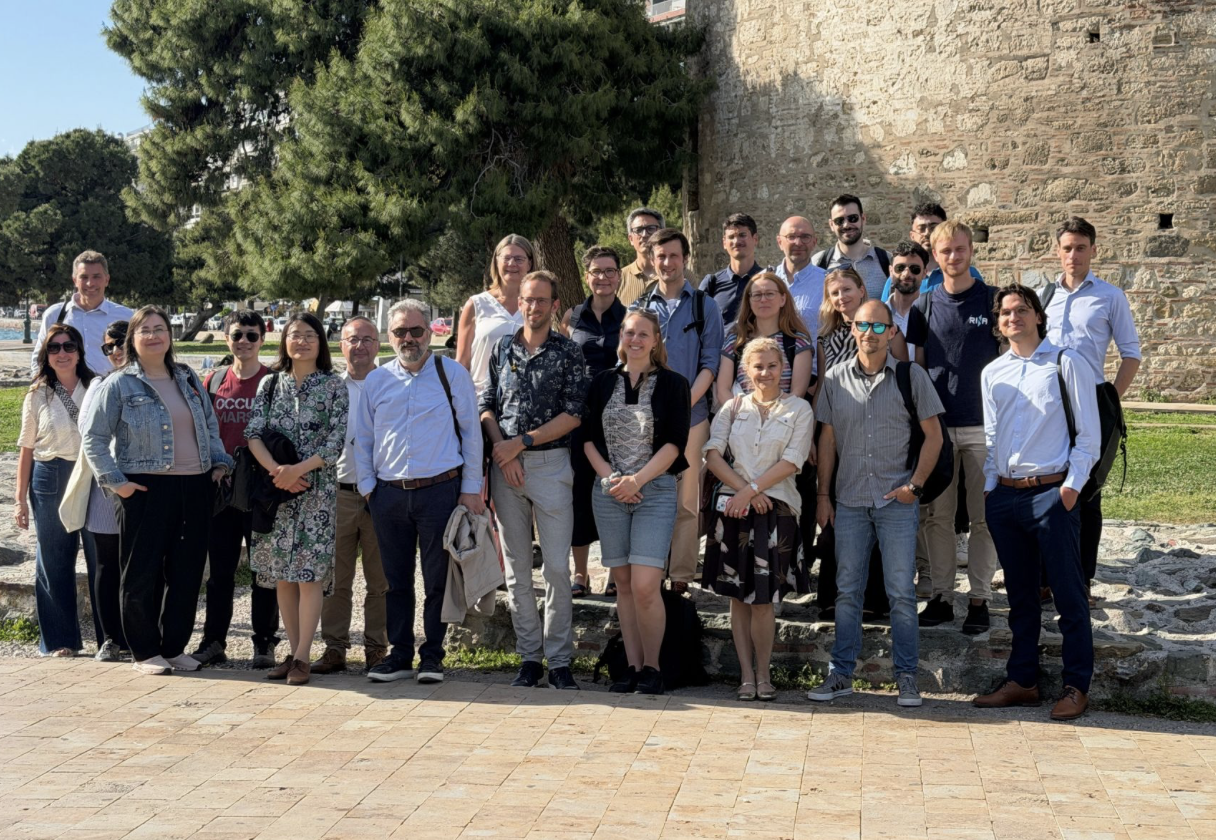
The SEEDS consortium recently gathered in Thessaloniki, Greece, for a three-day General Assembly hosted at the premises of the Centre for Research & Technology Hellas (CERTH).
This meeting was a key moment for the project partners to review ongoing progress, align on the next steps, exchange technical knowledge and strengthen collaboration across the consortium.
Day 1: Aligning on project progress and pilot development
The first day opened with a comprehensive project overview presented by DTU – Technical University of Denmark, setting the scene for the discussions ahead.
Partners then focused on the development of the Hungarian pilot plan, with the objective of supporting its successful local implementation. The day also included key technical updates from Renel Energy & Power Engineering on Work Package 2 and from CERTH on Work Package 3.
These exchanges helped build strong momentum for the rest of the General Assembly and ensured that partners were aligned on the project’s upcoming priorities.
Day 2: Workshops, Work Package updates and consortium exchanges
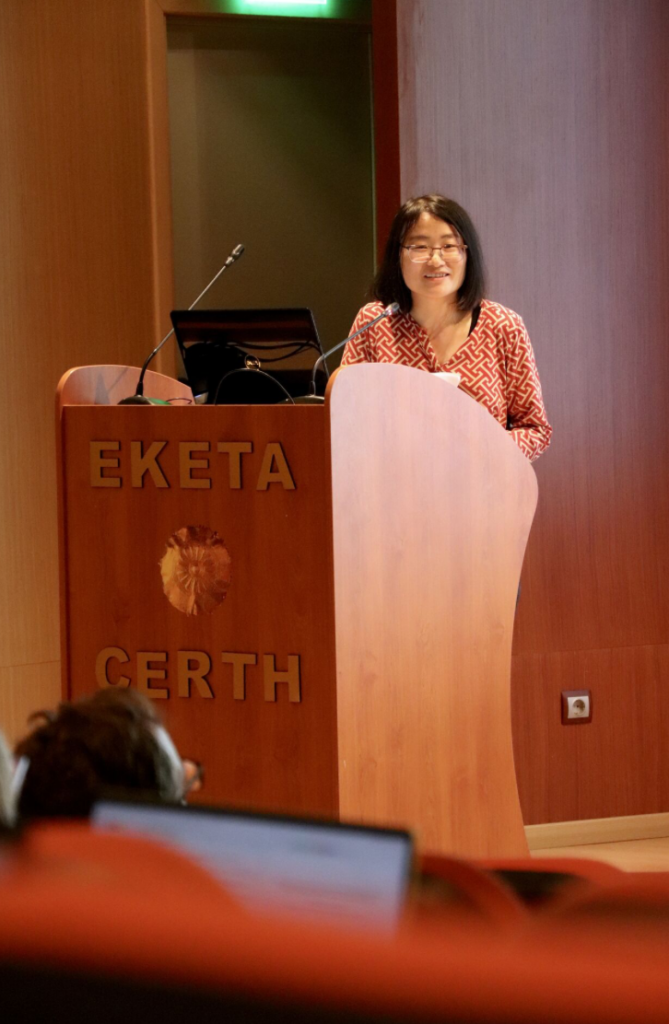
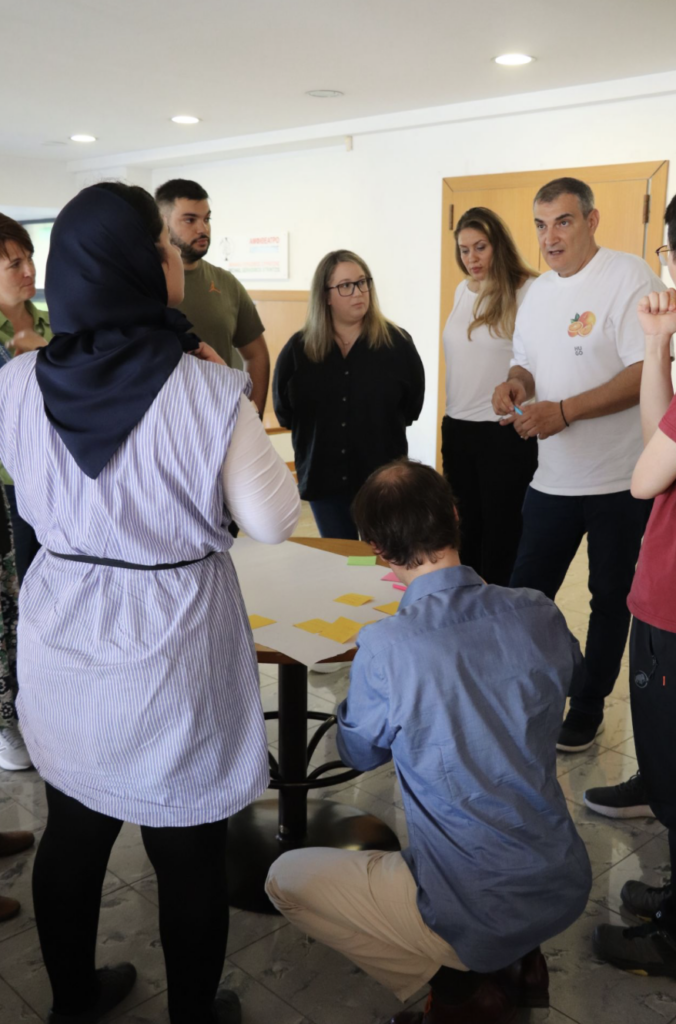
The second day was dedicated to interactive sessions and technical discussions at CERTH. Partners took part in workshops focused on impact, communication and dissemination strategies, exploring how to maximise the visibility, reach and long-term use of SEEDS results.
The consortium also completed the remaining Work Package updates, with presentations from:
KU Leuven for WP4, Jožef Stefan Institute for WP5, RINA Consulting, formerly D’Appolonia, for WP6, Sweco for WP7, and R2M Solution France for WP8.
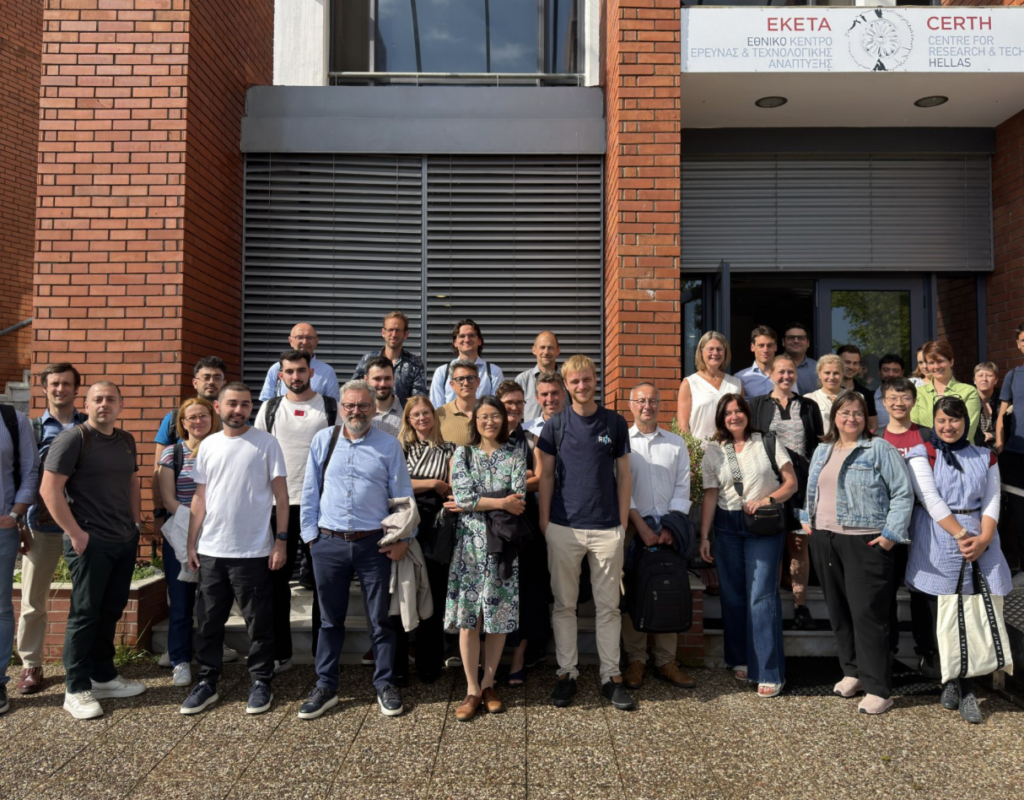
Each session allowed partners to share their latest achievements, ongoing activities and upcoming milestones. The day concluded with a consortium dinner in the heart of Thessaloniki, offering a valuable opportunity to continue discussions in a more informal setting.
Day 3: Discovering the SEEDS pilot site in Northern Greece
To conclude the General Assembly, the consortium travelled to Northern Greece for an immersive visit to the “Heron” Multi Theme Educational Energy Park at the Democritus University of Thrace.
This pilot site is particularly important for SEEDS, as it provides social housing for students and offers a concrete setting to test and demonstrate energy efficiency solutions with direct benefits for the local community.
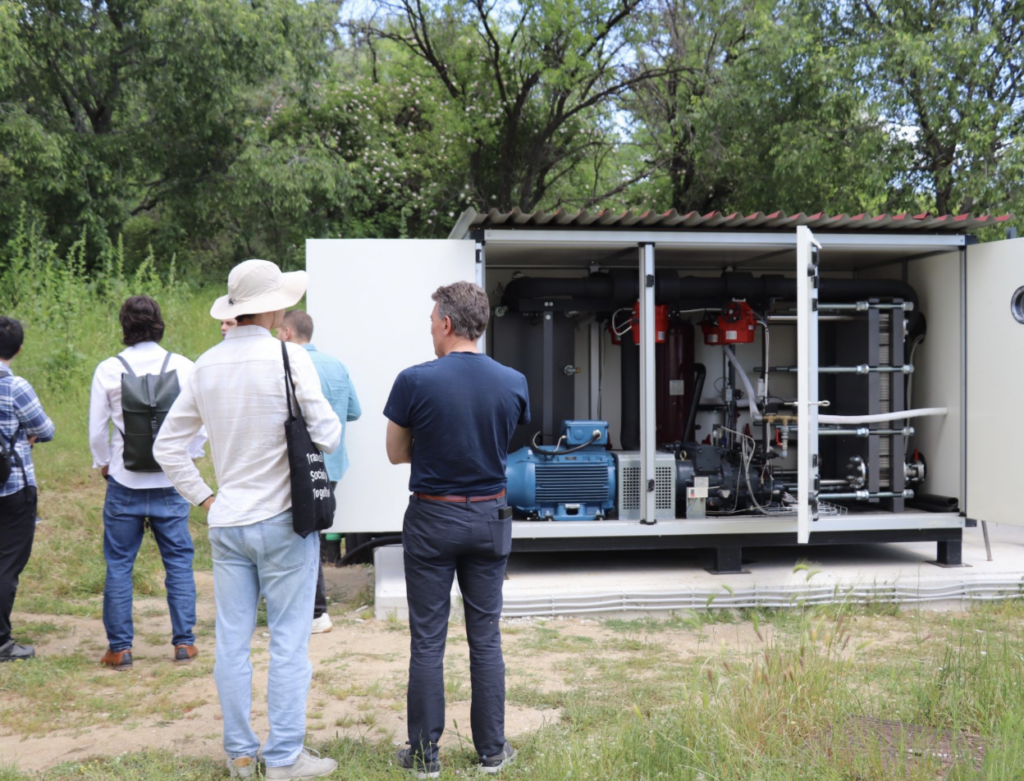
During the visit, partners explored several technical innovations in action, including a high-efficiency ammonia heat pump system designed for integrated cooling and heating. This solution uses a natural refrigerant with a very low charge of only 9 kg, helping to minimise environmental impact.
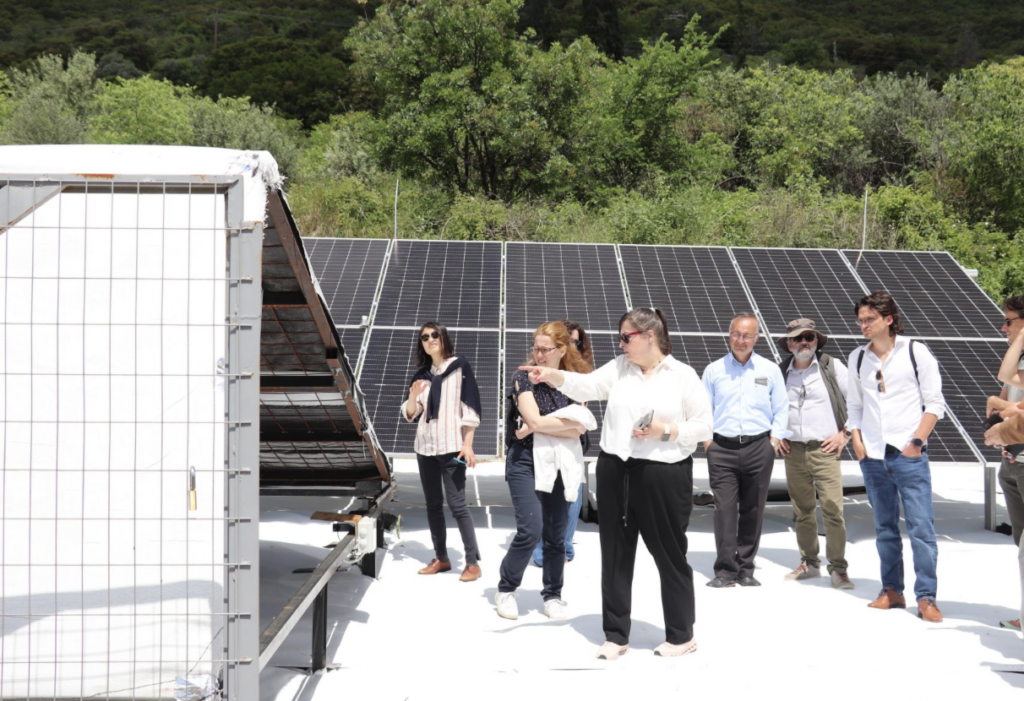
The visit also highlighted how SEEDS builds on existing geothermal and solar thermal fields to create a truly multi-source energy approach.
A successful meeting for the SEEDS consortium
Across the three days, the General Assembly provided a valuable opportunity for partners to exchange knowledge, review technical progress and see SEEDS solutions being implemented in real conditions.
The consortium warmly thanks CERTH, Democritus University of Thrace and the local teams for their hospitality and excellent organisation throughout the meeting.

Comments are closed