


On 28 May, Professor P. Botsaris, Head of the Mechanical Design Laboratory (MeDiLab) and Principal Investigator of the SEEDS project, hosted an advanced workshop at the Multi-thematic Sustainable Energy Learning Hub « HERON ».
The event offered 4th and 5th-year engineering students the opportunity to move beyond classroom learning and interact directly with the innovative installations developed under the EU-funded SEEDS programme. By combining technical explanations, field demonstrations and real-time measurements, the workshop created a concrete link between academic knowledge and practical sustainable energy solutions.
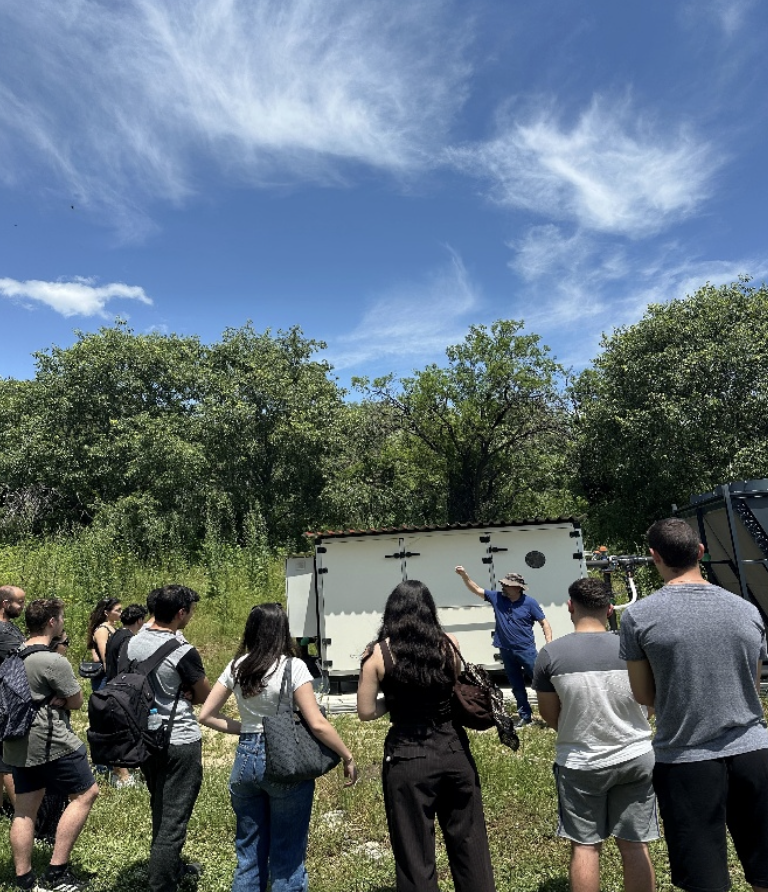
Exploring multi-source heat pump systems
The first part of the workshop introduced students to the operating principles of a multi-source heat pump system. The demonstration focused on how real-time optimisation strategies can improve seasonal performance and energy efficiency.
This session helped students better understand how advanced heating and cooling systems can support more efficient energy use in buildings and communities.
Understanding geothermal energy integration
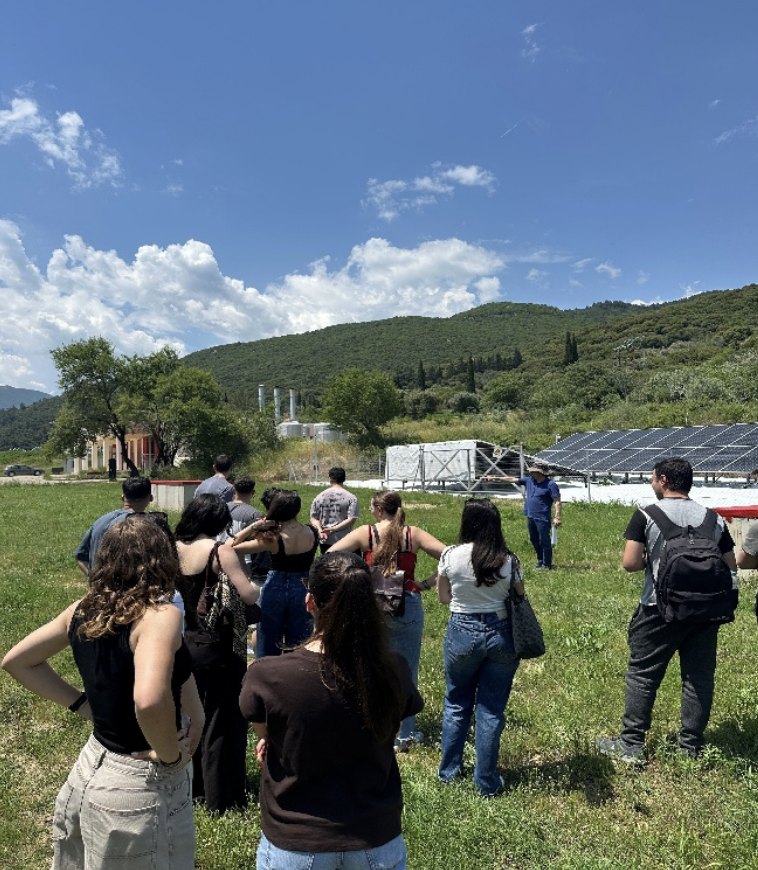
Participants then examined the underground geothermal field and its integration with the multi-source heat pump system. Following a technical presentation, students took part in an open discussion on possible system adjustments to improve joint operational performance.
Their questions, ideas and technical feedback contributed to the identification of new research perspectives, including potential topics for future Bachelor’s theses and postgraduate research projects.
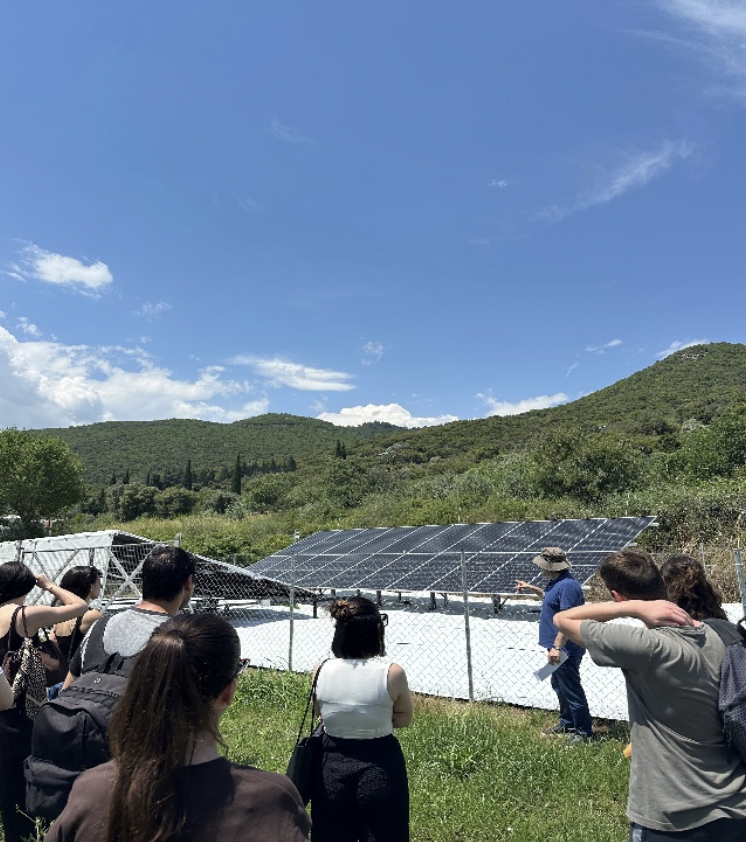
The final part of the workshop focused on photovoltaic systems and the role of specialised reflectors in improving PV energy yield. Under the supervision of Professor Botsaris, students collected real-time performance data under optimal solar conditions and compared their results with the laboratory’s historical database.
These measurements opened a constructive brainstorming session on further performance improvements and new research directions in solar energy technologies.
Bridging education, research and low-carbon innovation
This workshop demonstrated the value of using SEEDS infrastructure as a living laboratory for sustainable energy education and research. By giving students the opportunity to engage directly with advanced energy systems, the event strengthened the connection between engineering training, applied research and the development of practical solutions for low-carbon communities.
Through initiatives like this, SEEDS continues to support innovation in renewable energy, energy efficiency and smart system integration, while preparing future engineers to contribute to the energy transition.

Comments are closed