



The SEEDS project’s work on smart building control was presented at the 2nd International Conference on Intelligence for Energy Systems (ICDIES 2026) in Wollongong, Australia. Researchers from the Technical University of Denmark (DTU), including Hanbei and colleagues, shared progress on the deployment of Model Predictive Control (MPC) for the cooling system at Tech House, the project’s Danish pilot building.
The presentation also connected this demonstration to wider research on building energy flexibility through the pilot’s contribution to activities within IEA EBC Annex 96.
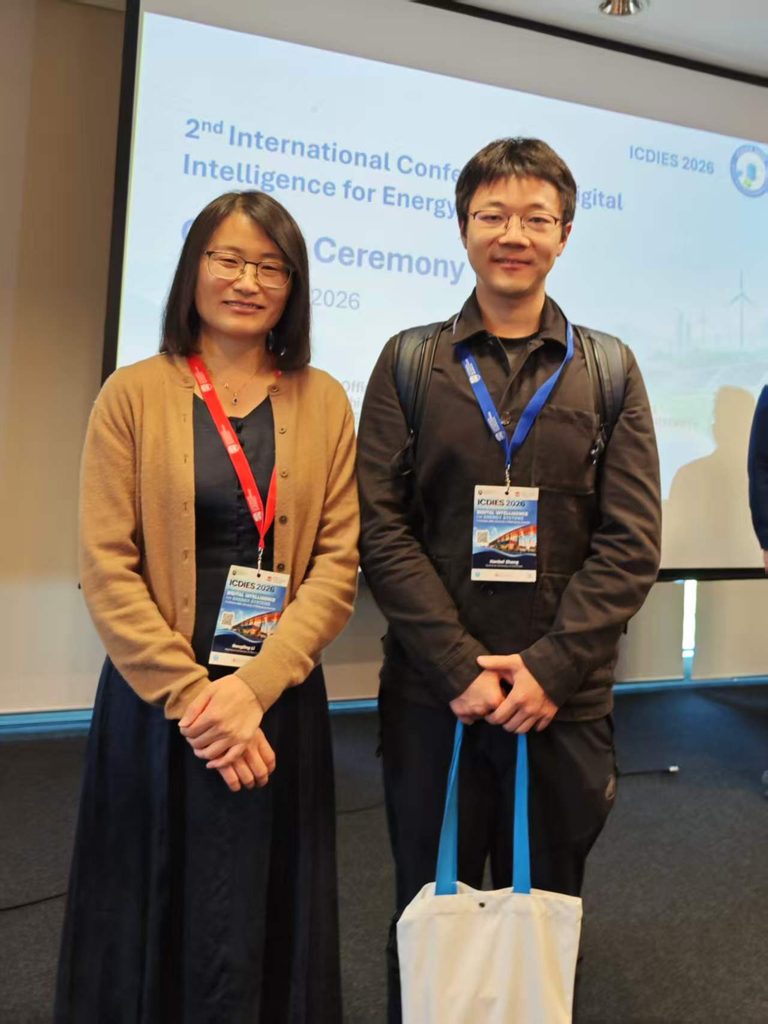
Establishing a reliable basis for evaluating cooling control
A key part of assessing an advanced control strategy is determining what would have happened without it. A credible baseline is therefore essential for estimating the effects of MPC on energy use, operating costs and operational carbon emissions.
For the Tech House cooling system, the DTU team developed and compared five families of baseline models. The most suitable model was then selected as the reference for evaluating the control strategy.
This modelling step provides the basis for a more reliable assessment of the system’s performance. The work focuses not only on deploying MPC, but also on establishing an appropriate method for evaluating its potential impact.
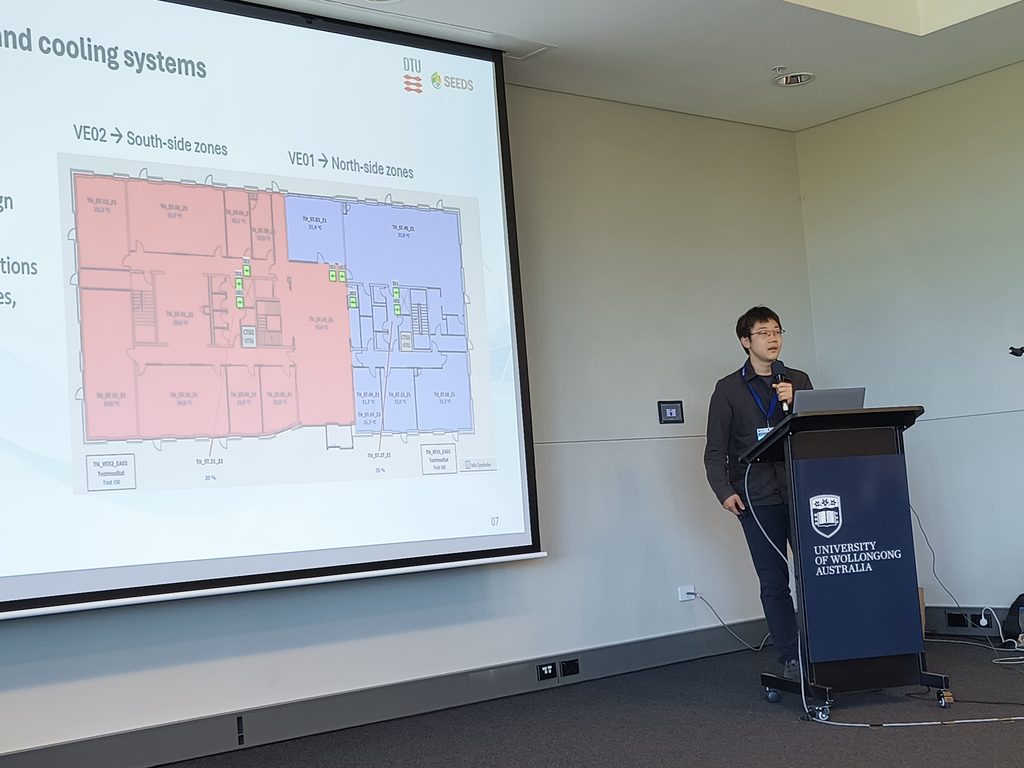
Tech House as a case study for wider research
The value of Tech House extends beyond the SEEDS demonstration itself. Its full-scale Building Management System (BMS) and high-resolution operational data make it a useful environment for studying different aspects of grid-integrated building control.
These characteristics also allow the pilot to support several activities within IEA EBC Annex 96. By using the Danish building as a case study, researchers can draw on operational experience and share knowledge with the wider international research community.
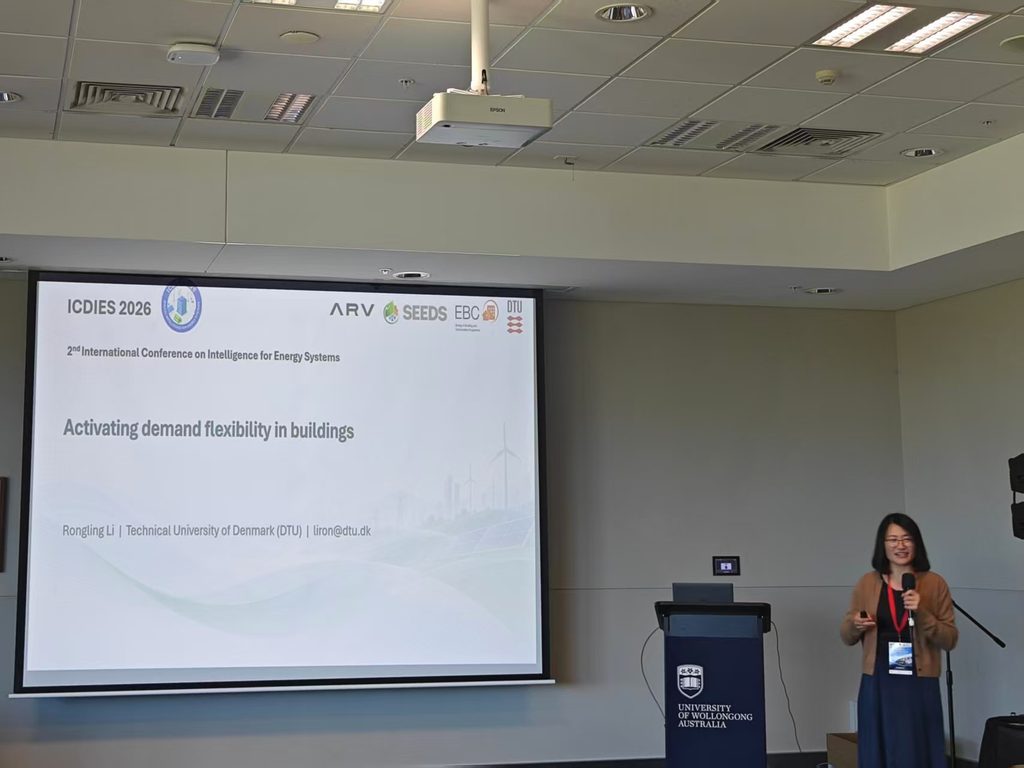
Supporting progress towards more flexible buildings
The work presented at ICDIES 2026 illustrates an important part of advancing smart building control: combining real-world deployment with robust evaluation methods. Establishing a credible baseline helps researchers assess the effects of control strategies and build a stronger evidence base for future applications.
Through the Tech House pilot and its contribution to Annex 96 activities, SEEDS is helping connect practical building operation with broader research into grid-integrated control and energy flexibility.

Comments are closed